Shin splints can be a real pain for active individuals, but with the right approach, they're completely treatable. This guide will show you how to effectively heal shin splints, prevent them from coming back, and get you back to your favorite activities stronger than ever.
Understanding Shin Splints
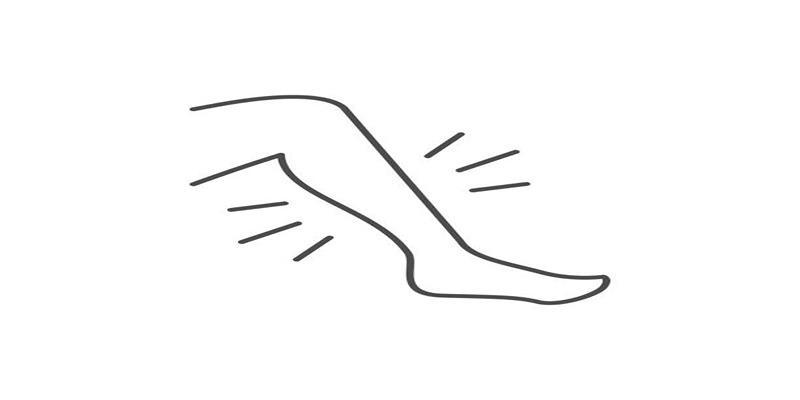
Medial tibial stress syndrome, commonly known as shin splints, refers to pain along the inner side of the shinbone (tibia). This condition is caused by overuse, leading to strain on the muscles, tendons, and bone tissue in the lower leg due to repetitive stress. Shin splints are a common overuse injury, particularly among runners, dancers, and individuals involved in high-impact activities.
Recurrent Physiologic
Due to the merits of extreme changes in the intensity of physical achievement or the load state, shin splints are frequent. Others are; incorrect running technique, improper footwear, running on firm or uneven surfaces, and threat of tight or weak calf muscles. Patients with high arches or flat feet also face higher risks and in such cases may experience a change in the mechanics of the gait and predisposing the tibia to excessive stress.
Symptoms and Red flags
Dull, a paining sensation along the inner shinbone, which may become more aggressive at the time or after a physical activity is a hallmark symptom of shin splint. Edema and pain on the lower leg also characterize it. Unattended the pain can end up to be more serious and continues even during rest which can result in complications like stress fractures. The timely detection of this type of signs is crucial in applying appropriate therapy and eliminating additional damage.
Preventing Shin Splints
Effective prevention and recovery measures are vital toward preventing the shin splints. Through learning the factors that make you prone and implementing the necessary changes in your physical processes, it can be minimized to the risk of getting this condition. Some of the actionable steps and tips investigated below can lead to a decrease of shin splints and a healthier exercise routine.
Warm-Up and Stretching Sessions
Warming up before any form of heavy work conditions the muscles to the workout. Stretches like leg swings and lunches are dynamic, meaning that they enhance blood circulation in the muscles and become more flexible. The occurrence of post-exercise no-contact stretching that emphasizes legs and calves is a factor that leads to reduction of muscle tightness. Not doing a warming-up may place undue pressure on lower legs, which would mean risk of shin splints.
Progressive increase in the level of activities
Shin splints often result from overdoing it—doing too much, too soon. This means new exercises or intensified workouts should progress slowly. Rapid increases in running distance, pace, or frequency can strain leg muscles. Follow the 10 percent rule: don't increase workout volume by more than 10 percent each week. This gradual approach allows your body to adapt, managing physical loads more easily and reducing overuse injuries like shin splints.
Proper Footwear and Support
Shin splints can be prevented with the right shoes. Select a running or athletic shoe with suitable cushioning, arch support and shock absorption depending upon your type of foot and activity. In case of flat feet or over pronation, you may try the orthotic insoles or custom-made inserts. Wearing old sneakers is not advisable since they wear out over time rendering themselves useless.
Exercises to Strengthen the Lower Leg
Powerful body muscles are in a better position to sustain physical exercise needs. A special work on calves, shins, and ankles done usually by strength training contributes to the resilience. Her balances, such as the resisted dorsiflexion and toe raises, and single-leg balances are exercises that are beneficial in strengthening muscle endurance and stability. Strength in these regions will take off the stress on a shinbone in case of an activity.
Listen to Your Body and Rest
Learn to listen to complaints at the beginning and not to ignore a pain. This will just increase the persistent pains of shin splints, and may result to more dire complications. It is essential to include a rest day in your training regime so the body gets time to rest and recuperate. An alternative type of activities such as swimming or cycling can be done on cross-training without putting your shins under extreme load to maintain fitness.
Recovering From Shin Splints
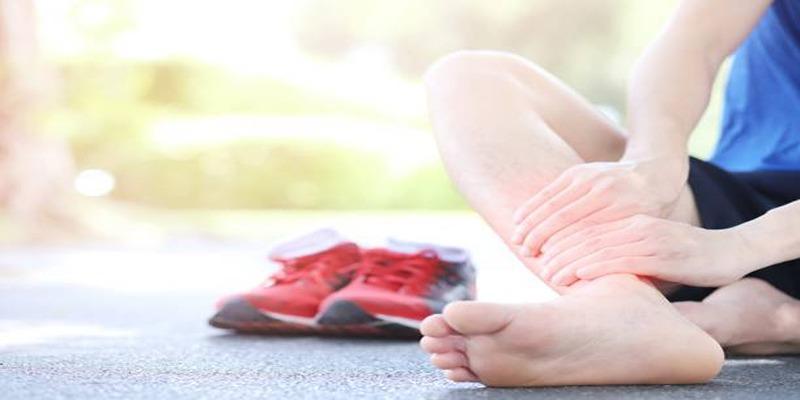
The recovery of shin splints cannot be achieved without rest. High impact exercises such as running can be avoided to take up low impact exercises such as swimming or riding a bicycle until the pain disappears. Reinjury can be avoided gradually by introducing back weight-bearing activities.
Ice can be used over the area to decrease the inflammatory processes, and pain as many times a day as 15-20 minutes. Non-prescription pain relievers such as ibuprofen can also be used to deal with the discomfort.
Concentrate on building the strength of your calves and shins and nearby muscles through workout as toe raises, walk on heels, and resistance band workouts. Their more powerful muscles will be more supportive and will decrease the chance of recurrence of shin splints.
Returning to Activity
Begin with low influence activities such as swimming, cycling, or walking which allows you to regain more strength and endurance without stressing your legs. Investigate restoring activities after 4-8 months of rest gradual resumption of running or more vigorous exercise.
To prevent pain or discomfort, listen to your body and cease because of those. Add appropriate warm-ups, warming, and footwear that helps to alleviate strains. 1 is in consistency of recovering and gradual progression When resuming your normal activity safely without danger of reinjury, consistency and gradual process are the keys.
Maintaining a Healthy Routine
Prioritizing health in your daily routine is crucial for overall well-being and long-term vitality. A balanced approach includes regular exercise, a nutritious diet, proper hydration, and sufficient sleep. Consistency is key, so set realistic goals you can stick to.
Don't neglect mental health; incorporate practices like meditation or journaling. Focus on gradual improvements rather than striving for perfection. Sustainable healthy living involves integrating both small and large positive changes into your lifestyle.
Conclusion
In case of Shin splints, it can be expected that it will interrupt progress, however, with the help of proper care, patience, and frequent prevention, it is safe, as well as possible. The basis of healing is rest, supportive footwear, strength as well as gradual progression. You can be back stronger, prevent reinjury and achieve performance in the long term by being able to listen to your body and lead a balanced lifestyle.