Croatia isn’t just a summer coastline trip. Inland, it offers a varied terrain that works well for multi-day trekking, especially if you're looking to combine rugged scenery with authentic towns and fewer crowds. A 7-day trekking route doesn’t require technical gear, but timing matters. Late May to mid-June or mid-September to early October hit the sweet spot. Outside those windows, trails can either be flooded with tourists or partly closed due to snow or fire risk. This route focuses on manageable daily hikes with regular local bus access and stays in small guesthouses or mountain huts.
7-Days Walking Croatia’s Forests, Ridges, and Mountain Paths
Day 1: Zagreb to Samobor Highlands
Start with a short transfer from Zagreb to Samobor. It’s less than an hour by bus, and the route avoids the traffic congestion that usually builds on coastal highways. The Samobor Highlands are ideal for a warm-up. Not too steep, but the paths give a decent feel for Croatian forest trekking. Locals tend to hike here on weekends, so if you’re setting out on a Saturday, be ready for busier trails. Lodging options include simple inns in Samobor town or a few scattered family-run guesthouses closer to the peaks. Expect limited English and mostly handwritten menus. Cash works better than cards here.
Day 2: Žumberak Nature Park Ridge Trail
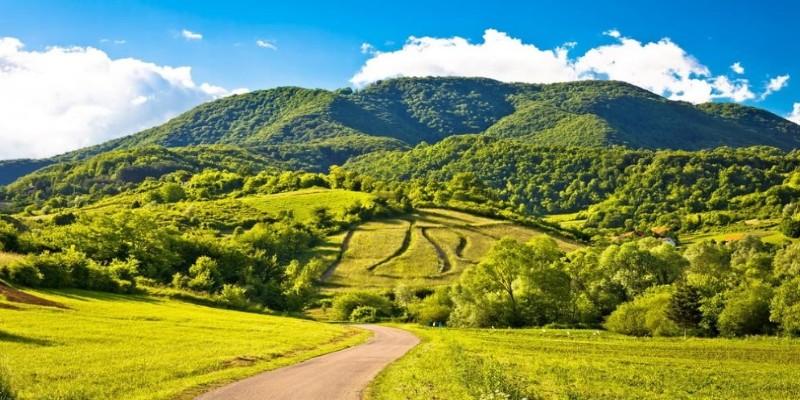
This section runs along the Croatian-Slovenian border. The trail markings are mostly intact, but GPS helps in overgrown sections. Water sources are sparse, and if the spring has been dry, several aren’t reliable. Carry enough for the day. Wildlife sightings are rare but not impossible. Occasional wolf tracks get reported in the early mornings. The terrain is limestone-based, which means good drainage and fewer muddy patches even after rain, overnight in Sošice or another nearby village. Buses here are infrequent, and some only run on school schedules, so arrange a pickup if your trek ends late in the day.
Day 3: Plitvice Transfer and Short Trail Segment
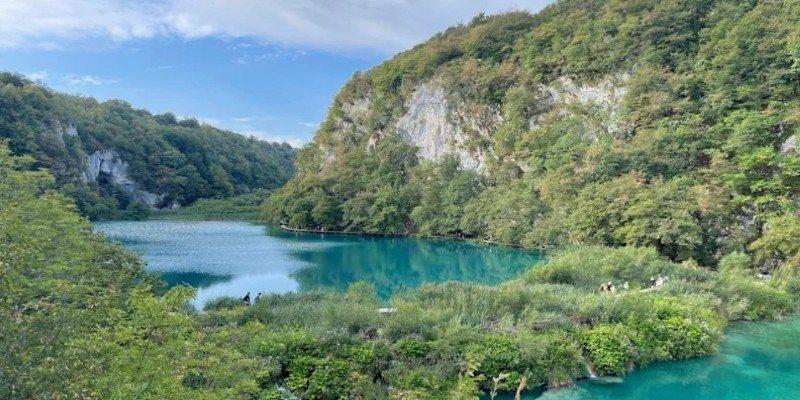
This day’s a mix of travel and hiking. Use the morning to transfer south to Plitvice Lakes. The earlier buses fill fast during peak travel weeks, especially on Fridays. Reserve ahead or risk standing. Once there, skip the main walking loops unless you enjoy crowding. There’s a lesser-used path from Korana village that runs parallel to the eastern border of the park. It offers partial views of the lakes without the ticket queues. This path isn’t maintained by the park authorities, so conditions vary, and parts may be slippery if it rained recently. Stay overnight in a private room in Korana or a nearby guesthouse.
Day 4: Plješevica Mountain Traverse
Plješevica doesn’t get the same press as Velebit, but it offers a ridge walk with open views and minimal traffic. The old Yugoslav-era military posts are scattered across the mountain, and many remain fenced off or unsafe to enter. Stick to the trail. Border patrols sometimes check hikers here, since the trail runs close to the Bosnia line. Carry ID. The ascent is steady, and while the wind can pick up fast, especially past noon, it’s manageable for most people with basic hiking experience. Expect minimal cell service across the ridge. Overnight at a rustic mountain hut or transfer down to Korenica for better options.
Day 5: Northern Velebit National Park
This is where the terrain changes sharply. Unlike the previous days, Northern Velebit brings sharper elevation shifts, jagged limestone formations, and long trail intervals without exit points. Start early. Weather turns fast here, particularly if a bora wind kicks in. Local forecasts aren’t always reliable, so check with the park office before entering. The Premužić Trail is the most manageable and best marked. It was built in the 1930s and still holds up well. Even with its popularity, the trail rarely feels crowded outside July and August. Overnight in Alan shelter or down at Baške Oštarije if conditions shift.
Day 6: Descent into Paklenica Region
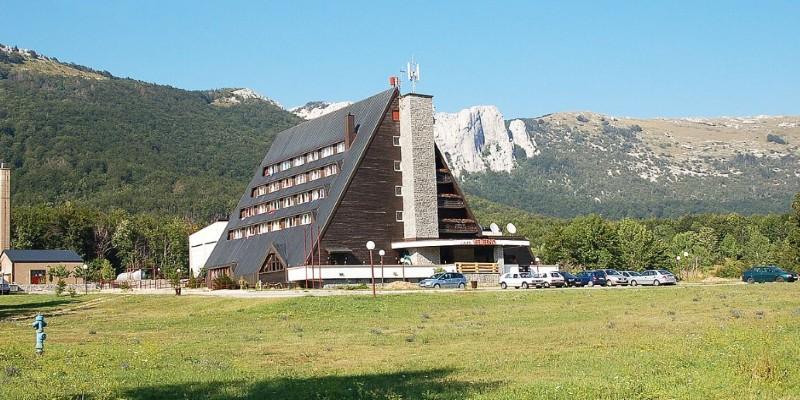
Start from Baške Oštarije and follow the southern route that leads into the Paklenica area. It’s a long descent, but the landscape starts to widen out, with scrubby vegetation replacing alpine terrain. Don’t count on water refills during this section unless there’s been recent rain. Many springs run dry by September, especially after a hot season. You’ll begin to see signs of the coast again by the end of the day, but it’s still a few hours off. The trail finishes in Starigrad Paklenica, where accommodations are easier to book last-minute. This town caters to climbers, so early October still sees activity, though it quiets quickly after mid-month.
Day 7: Paklenica National Park Trails and Return
If the weather allows, spend the final day walking one of the canyon routes in Paklenica National Park. Velika Paklenica is the main canyon and tends to get morning visitors. Starting early avoids the rush and the midday heat. Many of the climbers wrap up their sessions by noon, so the trails empty out in the afternoon. Choose a shorter loop if you’re catching an afternoon bus or private transfer back to Zadar or Zagreb. Both are possible from Starigrad, but only Zadar works for same-day onward flights. Buses run several times daily but may require a connection outside peak season.
Conclusion
Trekking through Croatia for over a week provides a mix of inland forest, limestone ridges, and coastal canyons. It's not a technical trek, but it rewards travelers able to plan around weather shifts and transport gaps. The route passes through lesser-known spots where tourism infrastructure is minimal. That can mean fewer options, but also fewer delays, especially during shoulder seasons. Travelers should keep local bus timetables handy and book accommodations at least two days ahead to avoid last-minute shortages. With moderate pacing and flexible planning, this route gives a clear sense of Croatia’s inland landscape, beyond the beaches and resort trails.