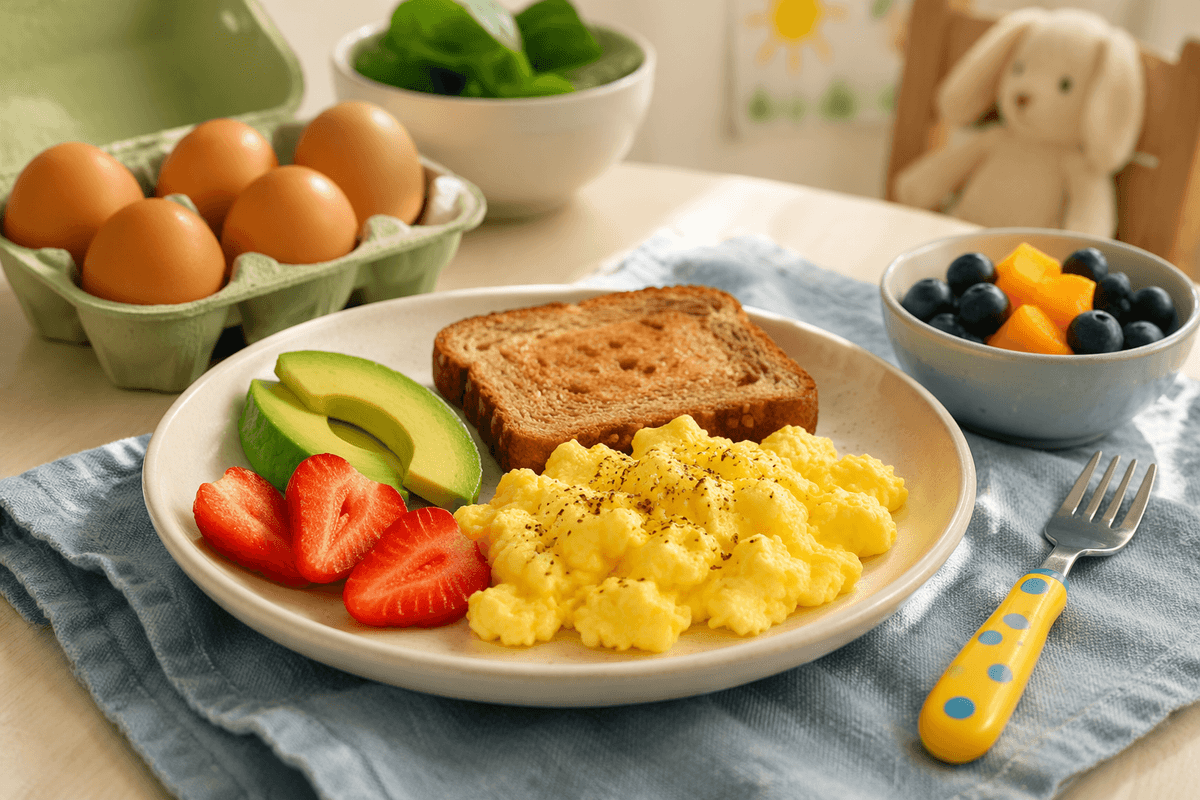
Recovery often changes the simplest routine, eating. After surgery, stomach illness, dental work, or intensive medications, the digestive tract and mouth can react to rough textures and heavy meals. Soft foods offer a bridge between liquids and a full diet. The right choices deliver protein, fluids, and steady calories without scraping tender tissue or triggering nausea. Preparation matters, as does pacing, portion size, and food temperature during early healing. Clinics often use texture-modified menus to prevent setbacks during discharge transitions.
Why Soft Texture Matters During Digestive Recovery?
Texture can decide how hard the digestive system has to work on a day when it is already irritated. Coarse foods require longer chewing, trigger more swallowing effort, and arrive in the stomach as larger particles. When the mouth, throat, or stomach lining is inflamed, that extra friction can translate into burning, gagging, or early satiety. Softer foods break apart quickly and move along with less scraping and pressure.
Postoperative care shows this. After abdominal surgery, swelling and opioid pain medicines can slow gut movement. A heavy meal may linger, bringing nausea, bloating, or reflux. Smooth soups, mashed grains, and proteins usually pass sooner, giving clinicians a clearer signal that motility is returning.
Dental recovery adds a mechanical limit. Jaw soreness and extraction sites make vigorous chewing painful and can disturb a healing clot. Soft options like eggs, oatmeal, yogurt, and cooked vegetables keep intake steady without strain. Rehabilitation teams use texture for safety.
After a stroke, impaired coordination can allow food to enter the airway. Pureed or minced meals allow controlled swallowing during therapy. Soft diets support recovery, yet chronic reflux, gastroparesis, or inflammatory bowel disease still need medical management.
Common Clinical Situations Requiring Soft Diets
Soft diet orders show up across wards and clinics, often as a short bridge between clear liquids and regular meals. After abdominal surgery, especially involving the stomach, bowel, or gallbladder, teams advance intake in steps: broth and gelatin first, then oatmeal, mashed vegetables, and tender proteins. The goal is simple, keep nausea, cramping, and early satiety from derailing recovery while the gut wakes up.
Gastroenterology visits bring similar guidance during flare-ups. Gastritis, reflux irritation, or post-infectious sensitivity can turn dense, rough foods into a trigger for burning and heaviness. Pureed soups, well-cooked grains, and ripe fruit reduce friction and acid contact, buying time for medications to work. Cancer treatment adds mouth pain and taste changes. When sores and dry mouth make chewing miserable, dietitians lean on smooth, high-calorie options such as yogurt, cottage cheese, custards, and blended vegetable soups, paired with frequent small servings.
Pediatrics often uses a brief soft plan after stomach viruses. Rice, bananas, applesauce, and toast tend to stay down when appetite is low. Persistent vomiting, fever, or worsening pain calls for reassessment rather than further diet tightening. Soft diets are rarely permanent. Weeks of restriction can shortchange fiber and protein, so follow-up and planned progression matter.
Nutrient Density Within Gentle Foods
During recovery, a soft diet can keep meals tolerable, yet comfort does not always equal good nutrition. Many ready-to-eat soft options lean heavily on starch and sugar, leaving protein and key micronutrients short. In hospital and outpatient dietetics, the fix is usually simple, keep the texture gentle while upgrading what the food delivers.
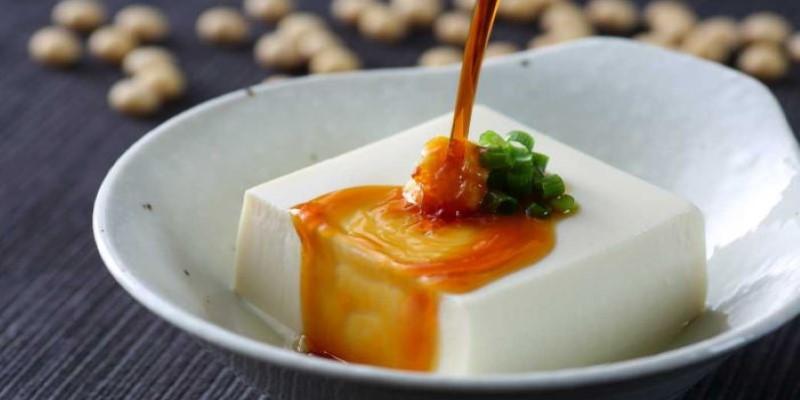
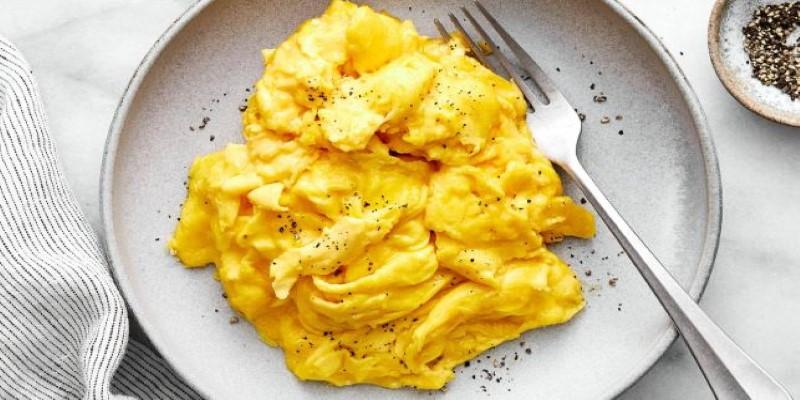
Protein often needs deliberate planning. Tissue repair depends on steady amino acid intake, but chewing fatigue, mouth pain, or nausea can push protein off the plate. Greek yogurt, softly scrambled eggs, silken tofu, and finely shredded chicken work well, and they mix easily into soups, congee, or mashed dishes without changing the mouthfeel. In inpatient kitchens, cooked poultry is often minced or blended into casseroles and broths to keep each serving nutritionally meaningful.
Vegetables still matter, even when fiber tolerance is low. Long steaming or simmering softens plant fibers and makes portions easier to handle. Carrots, squash, spinach, and zucchini become tender fast, and pureeing them into soups or adding them to mashed sides helps maintain folate, potassium, and carotenoids. Energy needs can be met without relying on sweets.
Oatmeal, rice porridge, and soft pasta provide steadier carbohydrates, a practical detail for patients dealing with appetite swings or steroid-related glucose shifts. Fluids deserve equal attention. Broth-based soups, fruit purees, and gelatin can add hydration, and nursing teams often track intake closely after vomiting or diarrhea. Heavy fats and strong spices may still trigger reflux or cramping, so gentle cooking methods, boiling, baking, steaming, usually fit best.
Practical Meal Planning in Clinical and Home Care Settings
Meal planning during recovery works best as a small system, not a single menu. Texture matters, yet timing and portions often decide comfort. In many wards, meals arrive as frequent, modest servings. A large plate can sit heavily in the stomach after anesthesia or during active nausea. Smaller bowls of porridge, mashed vegetables, or blended soup give the gut a manageable workload, and nursing staff can chart tolerance before advancing the diet.
At home, familiar foods can be reshaped without losing their place at the table. Vegetables soften with longer simmering. Proteins become easier to handle when shredded finely, folded into broths, or pureed into stews. Moisture is a quiet fix, gravy, stock, and yogurt based sauces keep meals from turning dry and hard to swallow.
Temperature plays a role. Extreme heat or cold may sting tender mouth tissue after dental care or chemotherapy, while lukewarm dishes tend to go down smoothly. A blender helps bridge gaps in appetite and chewing capacity. Symptoms after meals guide the next step. Persistent bloating, cramping, or nausea signals the need for adjustments and a slower return to firmer foods. Recovery timelines vary, and progress often comes in steps, with setbacks on tiring days.
Conclusion
Soft foods can steady eating routines when digestion is fragile, or chewing is limited after illness, surgery, or oral treatment. Their smooth texture lowers irritation and makes meals easier to tolerate, while still leaving room for protein, fluids, and key nutrients. In many care plans, soft options act as a bridge between liquids and regular meals. As nausea, pain, or reflux settle, texture can shift back toward normal with clinical oversight.