Choosing a Rockies season from India: key trade-offs
The first real decision usually hits when you look at your leave balance and the group tour’s fixed dates: do you want the “postcard Rockies” enough to accept higher costs and crowds, or do you want easier logistics and quieter towns even if a few headline stops are limited?
From India, the trade-off is less about “good vs bad” weather and more about what reliably runs. Summer gives the strongest lake colour and widest trail access, but you pay for it in hotel prices, traffic around Lake Louise, and tighter meal/stop timings on group itineraries. Shoulder months can feel perfect—cooler days, fewer people—but you gamble on late snow, rain, or seasonal openings (and sometimes a tour swaps a hike for a viewpoint because conditions change). Winter flips the priorities: stunning snow scenery and skiing, but shorter daylight, icy-road constraints, and longer drive days that feel heavier in a coach.
If you pick one anchor priority—hiking time, turquoise lakes, or snow—everything else (packing, budget, and tolerance for plan changes) gets simpler fast.
Spring (Apr–May): thawing trails, quiet towns
I’ve seen April itineraries look “easy” on paper—same headline towns, fewer crowds—until you realise spring in the Rockies is a constant negotiation between what’s open and what’s merely reachable. The good part is immediate: Banff and Canmore feel calmer, restaurant waits are shorter, and your group isn’t spending half the day queuing for a photo stop.
The friction is that thaw doesn’t mean “hiking season.” Many higher trails are still snowbound or muddy, and guides often steer you toward valley walks, lakeside viewpoints, or shorter nature trails that won’t wreck shoes and timelines. If your tour sells “hikes,” check whether they’re described as optional and weather-dependent—spring is when that wording matters most. Lake colour can be underwhelming early on too: you might get dramatic peaks and grey-blue water rather than the full turquoise payoff.
May is usually the better bet if you want a spring price vibe without feeling like you’re touring from parking lots. Pack for cold mornings and surprise precipitation, and treat waterproof shoes as non-negotiable—because the one day you skip them is the day the trail turns into slush.
Summer (Jun–Aug): peak scenery, peak crowds
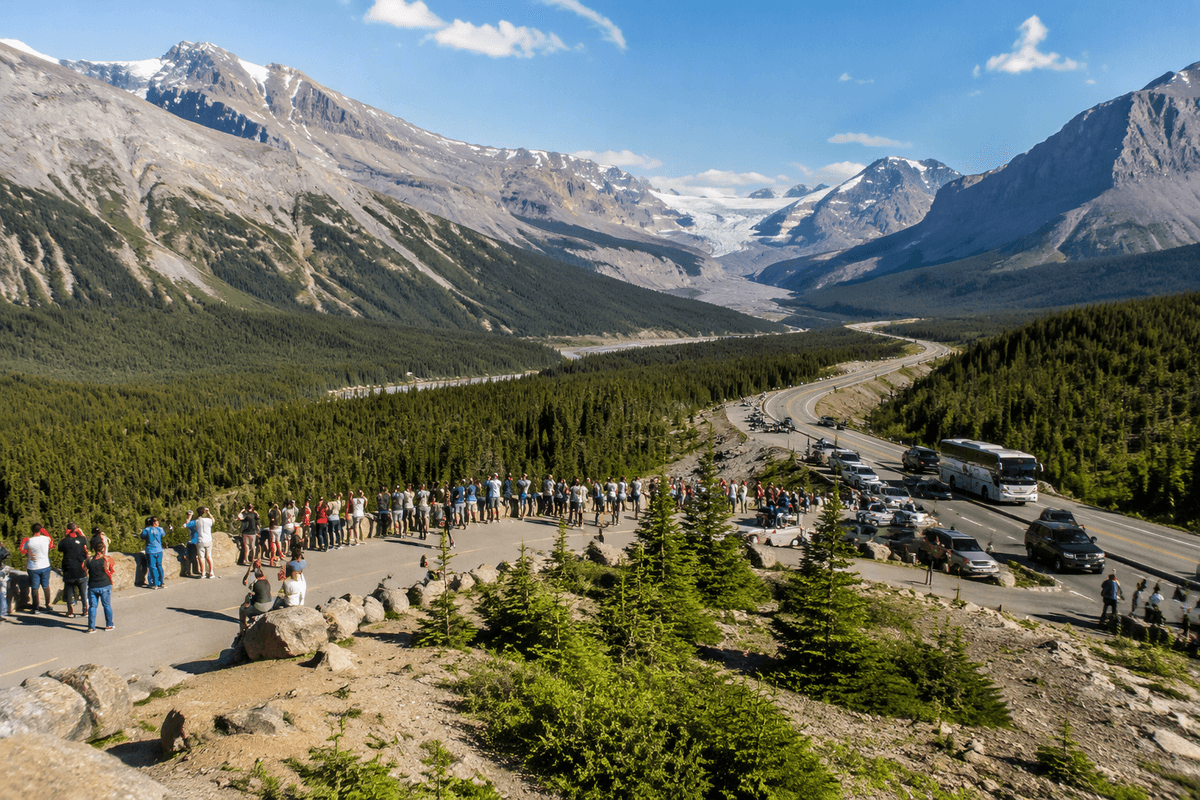
The first time your coach rolls toward Lake Louise in July, you understand why summer sells out—and why it can feel oddly rushed. The lakes are at their most convincing turquoise, the Icefields Parkway viewpoints are reliably accessible, and your guide can keep the “this might be closed” disclaimers to a minimum. For an Indian group tour with fixed dates, that reliability is the main summer advantage: you’re far less likely to lose marquee stops to seasonal timing.
But summer convenience comes with two very specific frictions: traffic and timing. Parking controls and shuttle systems around Lake Louise/Moraine Lake can compress your free time into smaller windows, and even a well-run itinerary can turn into short photo stops if the group falls behind. Expect higher hotel rates, longer restaurant waits in Banff and Jasper, and a surprising amount of standing around at popular pullouts.
The trade-off question is simple: do you want maximum “opened-up Rockies,” even if it’s crowded, or would you rather sacrifice a little lake intensity for calmer days? If you’re going Jun–Aug, pack layers anyway—sunny afternoons can flip to chilly, windy evenings fast—and keep buffer money for meals when plans slip and you end up eating wherever can take a group.
Fall (Sep–Oct): larch gold, calmer itineraries
September is where the Rockies start to feel “doable” again: you can still run a classic Banff–Icefields–Jasper loop without the same shuttle stress, and your group’s day doesn’t get eaten up by queues at every viewpoint. The upside is practical as much as scenic—cleaner pacing, calmer restaurants, and a better chance your guide can give you real time at a lake instead of a strict photo-and-go window. The trade-off is you’re buying into faster weather swings: mornings bite, afternoons can be warm, and rain days feel colder than the temperature suggests.
If larch colour is your headline dream, know the limitation upfront: it’s timing-sensitive and elevation-dependent, and a fixed-date group tour can miss the peak by a week in either direction. When it hits, the payoff is huge—golden slopes above Lake Louise and along the Icefields Parkway—but those are also the trails most likely to get early snow or slick sections that slow a mixed-fitness group. October leans quieter and moodier, with shorter daylight and a higher chance that “optional hike” quietly becomes a roadside viewpoint. Pack gloves and a beanie even if your India departure felt like summer.
Winter (Nov–Mar): snow sports and icy-road limits
The first winter decision is usually a small one that turns big: do you actually want time outside in the cold, or are you okay seeing the Rockies mostly from warm viewpoints between drives? From November to March, the scenery is dramatic—snow-loaded peaks, frozen lakes, quiet streets in Banff—but daylight is shorter, and a “simple” stop can take longer when everyone’s layering up, walking carefully, and warming hands between photos.
What works well is anything built for winter: ski days around Banff, the Banff Gondola, hot springs, and town time that doesn’t depend on trail conditions. What doesn’t is expecting summer-style access. Some hikes are impractical for a mixed group without spikes, and the Icefields Parkway days can feel heavier because road conditions and visibility set the pace. If your tour includes long coach stretches, winter amplifies fatigue—more dark driving, more weather watching, and fewer casual “let’s linger” moments.
Choose winter if snow is the point and you’re comfortable trading turquoise lakes for alpine white. Pack like you’ll stand still in wind (not just walk), and build in tolerance for itinerary swaps when roads or temperatures make the safe option the only option.
Practical India-to-Rockies planning by season
The planning friction usually shows up after you’ve picked a season: flights out of India are long, and a 7–12 day group tour rarely has “recovery time” built in. If you land in Calgary late and your itinerary starts driving early the next morning, spring and fall cold can feel harsher than expected—not because the temperature is extreme, but because you’re tired and outdoors at viewpoints immediately.
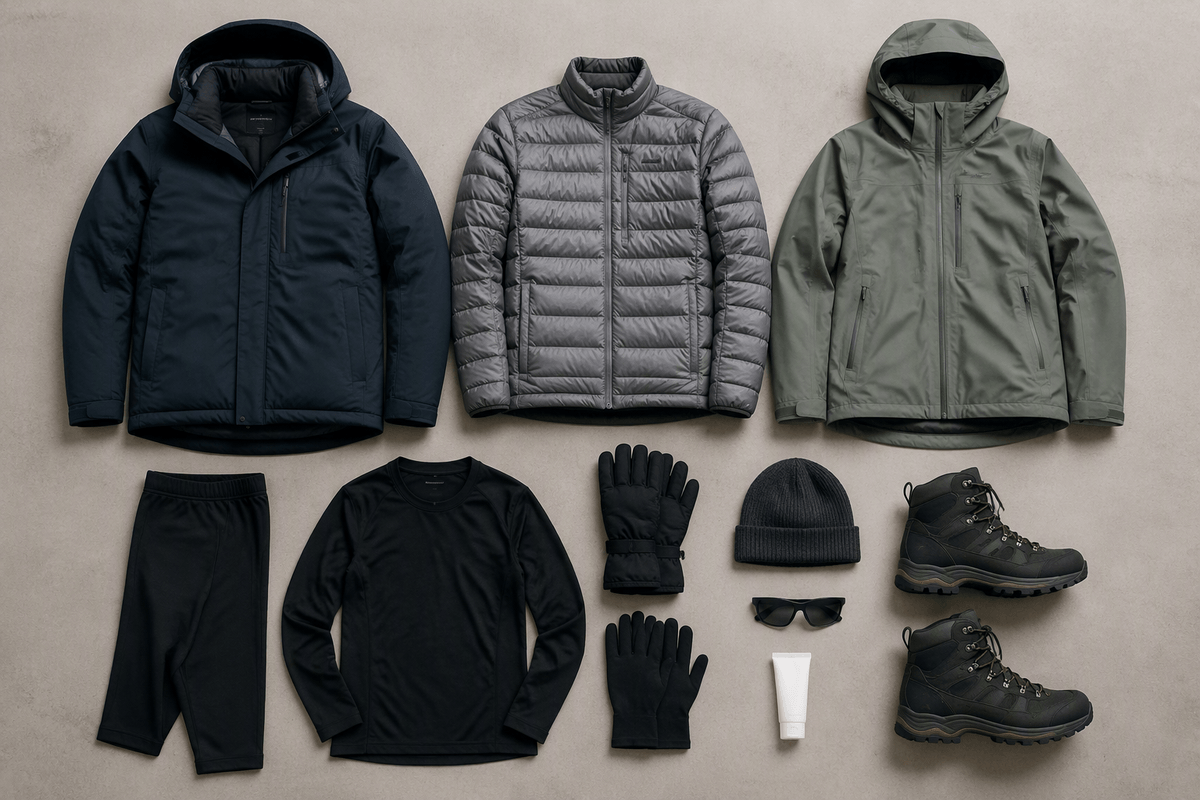
For Apr–May and Oct–Mar, pack for “standing still” warmth: a proper insulated jacket, gloves, and shoes that handle slush or ice. What works is building a simple layering system you can adjust in a coach; what doesn’t is bulky single-piece warmth that becomes annoying indoors. For Jun–Sep, the trap is underpacking: you still need a light down, rain shell, and sun protection, because a bright morning can turn windy or wet on the Parkway.
Season also changes your daily math. Summer gives longer daylight but tighter parking and meal windows; shoulder seasons give calmer towns but more weather-dependent swaps; winter makes drives feel longer because visibility and daylight set the pace. Practical takeaway: choose your “non-negotiables” (lake colour, hikes, snow time), then budget one compromise—either crowds, cold, or plan changes.
How to pick your best month for a group tour
The moment I’d actually choose a month is usually when I’m staring at a tour’s fixed dates and realising I can’t “wing it” once I’m there—so I match the month to one priority, then accept the trade-off it forces.
If your non-negotiable is the classic turquoise-lake look plus the highest chance the full Banff–Icefields–Jasper loop runs cleanly, pick late June to August and plan mentally for crowds, queues, and quicker stopovers. If you want the same loop with calmer pacing and don’t mind colder mornings (and the risk that a hike becomes a viewpoint), September is the sweet spot for most Indian group tours. If your priority is snow scenery or skiing and you’re okay with shorter daylight and heavier drive days, go December to March. April–May and October can be great value, but only if you’re genuinely flexible about what “included hikes” looks like that week.
When two months feel similar, choose the one where you’d be least annoyed by the compromise—crowds, cold, or plan changes.