Seoul can feel overwhelming at first glance. The city spreads wide, subway lines cross in every direction, and neighborhoods change character block by block. A short visit needs structure, or the days slip away in transit. This 3-day Seoul itinerary is built for first-time visitors with limited time and a normal travel budget. It focuses on areas that sit close together, helps reduce unnecessary subway transfers, and avoids common scheduling mistakes such as stacking too many attractions in one district. It also reflects real travel patterns, including peak entry times, seasonal shifts, and crowd pressure in popular zones.
Day 1: Historic Seoul Without Rushing
Start with Gyeongbokgung Palace. Arrive close to opening time. Tour buses usually reach the palace mid-morning, and lines grow quickly at the main gate security check. Early entry keeps the visit calm and leaves space to watch the guard ceremony without shoulder-to-shoulder crowds.
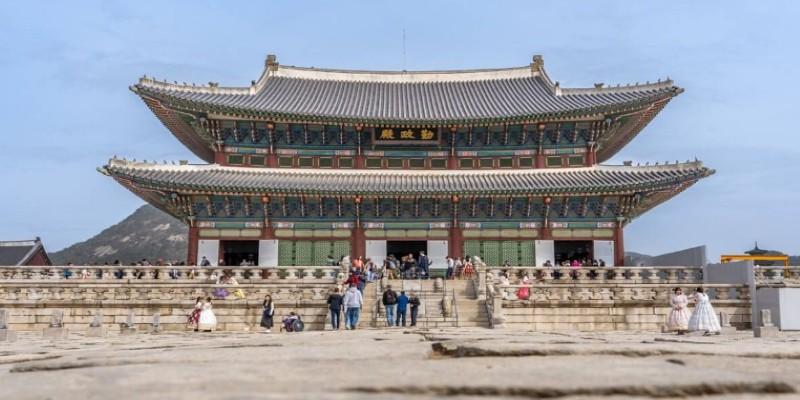
Plan about two hours inside. The palace grounds are larger than many expect, and rushing through limits the experience. The National Palace Museum near the entrance adds context and helps explain royal court life, which makes the architecture more meaningful rather than just photogenic.
From there, walk to Bukchon Hanok Village. The uphill streets are steep, and residential areas restrict noise. Signs request quiet behavior. Many visitors overlook this and create tension with locals. Visiting before noon reduces congestion and shows respect for the neighborhood.
Lunch in Insadong makes logistical sense. Restaurants cluster along its main street and side alleys, and pricing stays moderate compared to tourist-heavy areas near Myeongdong. Expect short waits during peak lunch hours, especially on weekends. In the afternoon, head toward Jogyesa Temple and then Cheonggyecheon Stream. The stream provides a natural pause in the day.
It helps manage travel fatigue, especially after walking through palace courtyards and hillside lanes. Finish in Myeongdong. Street food stalls operate mainly in the evening. This is one of the few districts where visitors can sample multiple dishes in one compact area. It solves the common problem of spending time traveling between restaurants. Still, weekends bring dense foot traffic. Keep personal space in mind and avoid peak dinner time if large crowds feel stressful.
Day 2: Modern Districts and Urban Culture
Dedicate the second day to Gangnam and the surrounding neighborhoods. Take the subway rather than a taxi during morning rush hour. Traffic congestion in this area can add unexpected delays. Start at Bongeunsa Temple. It sits directly across from the COEX complex, yet the atmosphere shifts instantly from busy streets to quiet grounds. Early morning light works best here.
Midday tour groups often pass through quickly, creating short but intense crowd spikes. COEX Mall comes next. Large shopping complexes in Seoul serve as more than retail centers. They function as transit hubs and dining clusters. The Starfield Library inside COEX draws steady photography traffic. Arrive before lunchtime to avoid waiting for a clear shot.
In the afternoon, move toward Apgujeong or Garosu-gil. These streets show current fashion and café culture. Prices run higher here. It is easy to overspend without noticing, especially on limited-edition retail drops. Travelers working with a strict budget may prefer browsing rather than buying.
Evening works well for the Han River. Choose a park such as Banpo Hangang Park. Convenience stores nearby sell picnic sets, which solves the issue of finding casual dinner space in districts with limited seating. Warmer months bring strong demand for rental bikes and riverside mats. Arrive before sunset if planning to rent equipment.
Day 3: Markets and Local Energy
Begin at Gwangjang Market. Go early. Food vendors fill seats quickly, and many stalls operate on a first-come basis. Vendors rarely accept long menu customizations, so simple ordering works best. Bring cash in small denominations. Markets solve a real scheduling challenge for short visits. Instead of traveling across districts for different specialties, several dishes sit within one indoor space.
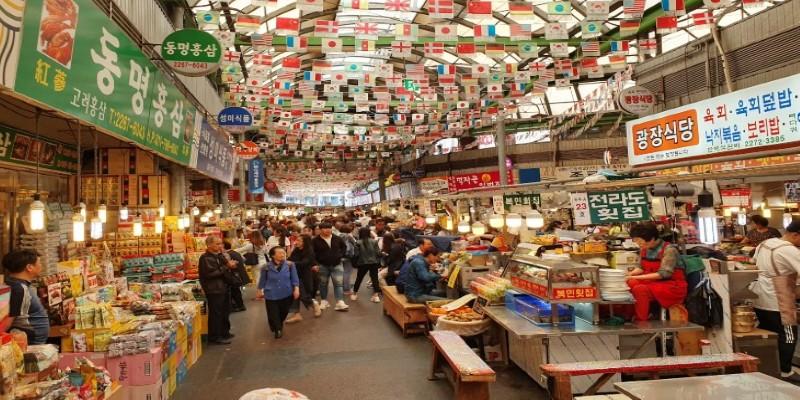
That efficiency matters when time is limited. After the market, head toward Dongdaemun Design Plaza. The architecture contrasts sharply with palace structures from Day 1. This balance gives first-time visitors a clearer picture of Seoul’s layered identity. Exhibitions rotate frequently. Check schedules in advance, since some galleries close on Mondays.
In the afternoon, consider Hongdae. This district centers around university culture and independent retail. Street performances appear in the evening, though weather affects turnout. Rain or extreme cold reduces activity quickly. Shops here often open later in the day, so a late afternoon arrival fits better than a morning visit.
If energy allows, visit N Seoul Tower at sunset. Cable car queues stretch long during peak seasons such as cherry blossom weeks and autumn foliage periods. Buying tickets earlier in the day or using public buses can reduce waiting time. Visibility also depends heavily on air quality. Checking local forecasts prevents disappointment.
Transportation and Timing Notes
Seoul’s subway system is efficient but complex. Multi-line transfers inside large stations like Seoul Station or Express Bus Terminal can involve ten-minute walks between platforms. Factor this into planning. T-money cards save time at gates and eliminate the need for single-use tickets.
Accommodation location affects this itinerary significantly. Staying near a Line 2 subway station provides flexible access to both Gangnam and Hongdae. Budget hotels near Myeongdong or Jongno reduce travel time on Day 1 but may require longer rides on Day 2.
Season matters. Spring and autumn bring high demand, especially during festival periods. Hotel prices rise sharply, and last-minute bookings shrink fast. Summer introduces humidity and heavy rainfall. Winter offers fewer crowds but shorter daylight hours, which limits outdoor sightseeing windows.
Conclusion
Three days in Seoul move quickly, yet a structured plan keeps the experience balanced. Historic palaces, busy markets, modern shopping streets, and riverfront evenings each reveal a different side of the city. Careful timing reduces crowd stress and transport fatigue. Staying near a central subway line saves time across districts. Seasonal shifts affect pricing, daylight, and air quality, so checking forecasts before arrival prevents small issues from turning into larger setbacks. A steady pace works best; Seoul rewards thoughtful planning rather than packed schedules.