The early “lightness” that quickly turns unstable
The first few days can feel almost clean and weightless—your stomach is quieter, your face looks a little less puffy, and the scale drops fast enough to feel reassuring. Then the “light” feeling gets inconsistent. One afternoon you’re fine, and the next morning you wake up colder than usual, slightly shaky between meals, or oddly impatient over small things.
Part of that early shift is your body spending through its quick-access fuel. When carbs and overall calories drop, stored glycogen is used more, and glycogen carries water with it—so you can see rapid changes before much body fat has actually changed. As those easy reserves thin out, your brain and muscles may start pushing harder for reliable energy, which can show up as louder hunger, poorer sleep, or that low-grade tiredness that doesn’t match what you did that day.
It’s also common to misread the early drop as proof that “lower is better,” even though the same approach can start feeling harder to hold by the second week. If the lightness keeps flipping into irritability, chills, or trouble concentrating, it may be a sign the gap is widening rather than closing.
Why your body downshifts energy without asking

You notice it in small, almost annoying ways first: you take the elevator instead of the stairs, you sit down sooner, you stop pacing on phone calls. It can feel confusing because you didn’t “choose” to get lazier—your day just starts costing more effort, and your body quietly looks for places to spend less.
When intake stays below what your body can cover, it has to close the gap somehow. A big part of that happens through non-exercise activity—posture, fidgeting, spontaneous walking—because those calories are easiest to trim without you tracking it. At the same time, your resting burn can drift down as your body becomes more efficient and turns down processes that aren’t urgent in the moment.
This downshift is often paired with a compensation signal: hunger gets louder and more persistent, sleep can get lighter, and stress hormones may run a bit higher. Some days you feel “fine” and other days you feel cold, flat, and snack-focused—because the body is adjusting across days and weeks, not on a neat 24-hour schedule.
What drives this pattern beneath the surface
It can start as a vague sense that your “edges” are gone—your patience is thinner, your hands feel cool, and even a normal errand run takes more willpower than it used to. You might assume it’s just a busy week, but the timing can feel off: nothing dramatic changed, yet your body is acting like it’s bracing for something.
Beneath that is a basic accounting problem: low energy availability. After food is used to cover exercise and the cost of being awake, whatever is left is what supports everything else—heat production, hormone signaling, tissue repair, and a steady brain fuel supply. When the leftover piece stays small for long enough, the body tends to protect the “must-haves” first. That can mean less thyroid signaling, more stress signaling, and a stronger drive to seek food, even if you’re still hitting your planned calories.
As you move less without noticing and your resting needs drift down, your deficit can shrink on paper, but the discomfort doesn’t always shrink with it. In some cases, that mismatch is what leads people to cut again, right when their system is already trying to conserve.
Thinking gets harder before weight loss slows
It often shows up as a small cognitive “lag” before anything changes on the scale. You reread the same email twice, lose your train of thought mid-sentence, or feel oddly indecisive at the grocery store. It’s uncomfortable partly because it can look like a motivation problem, even when you’re still following the plan.
When energy availability stays low, the brain may start getting a less steady fuel supply. Glycogen stores are smaller, blood sugar swings can feel sharper, and stress signaling can run higher to keep you moving. That mix can make attention feel more fragile—more distractible, more reactive, less able to hold onto details—especially between meals or after a workout.
This is one reason mental strain can arrive before weight loss slows. The body can compensate for a while by trimming “background” energy use and leaning harder on appetite and stress signals, so progress can look normal even as thinking feels harder to sustain. If that mental fog keeps repeating, it’s worth treating it as real data, not a character flaw.
Performance drops even when workouts stay consistent
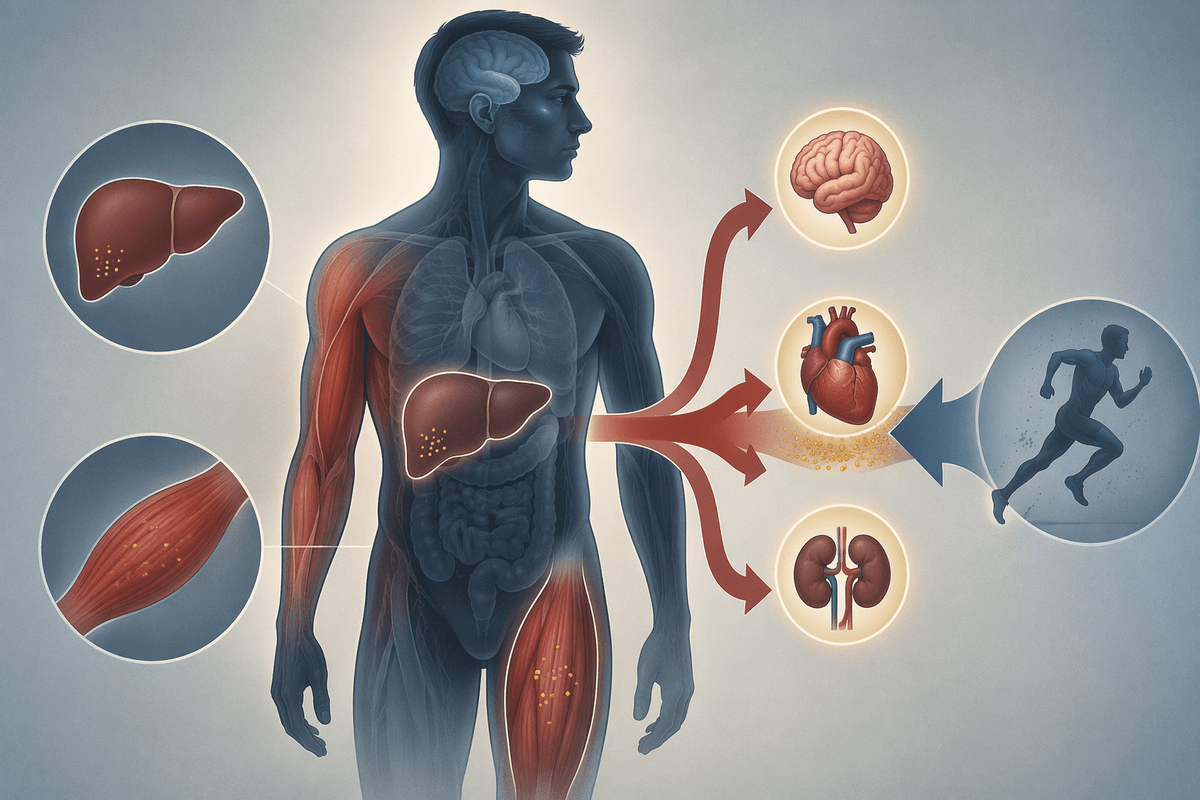
The first sign is often a workout that suddenly feels “loud.” The warm-up drags, your usual weights feel heavier in your hands, or your easy pace keeps climbing into a higher effort zone. It can be unsettling because nothing about the plan changed—you’re still showing up, still doing the same sessions—yet your body is acting like it’s undertrained.
In a calorie deficit, training can start competing with basic upkeep for the same limited fuel. With smaller glycogen stores, you may hit that flat, legs-filled-with-sand feeling earlier, and you might not get the same rebound between sets or intervals. At the same time, your body can quietly reduce “extra” output to protect what it sees as essential, which can look like lower power, fewer reps, or slower splits even when motivation is intact.
One day you’re fine, the next you’re weaker and oddly sore from a workout that used to feel routine. In some cases, that mismatch is your system trying to train hard while also running on a tighter energy budget than it can reliably support.
A reasonable diet change that backfires unexpectedly
It can start with a small tweak that seems responsible: you swap breakfast for coffee, “clean up” snacks, or choose the lowest-calorie option in your app because it’s easier to hit the target. For a few days it feels efficient. Then you notice you’re thinking about food earlier, getting sharper hunger pangs at night, or waking up restless and oddly alert at 3 a.m.
What often backfires isn’t willpower—it’s timing and availability. When you compress eating into a shorter window or shave off the “extra” carbs and fats that made meals stick, your body may read it as a bigger gap than the calorie number suggests. Blood sugar can dip more between meals, stress signaling can rise to keep energy circulating, and appetite hormones can get louder to push you to correct it.
The scale might still trend down while your mood, sleep, and cravings feel less stable. In some cases, that’s the point where a “reasonable” cut starts costing more than you expected.
When “too low” starts disrupting basic body upkeep
At first it’s subtle: your skin feels a little drier, you’re colder in rooms that used to feel fine, and your sleep stops feeling restorative even if you’re in bed long enough. You might blame stress or the weather, but it can be unsettling when the pattern lines up with the weeks you’ve been keeping intake “tight.”
When the leftover energy after exercise and daily life stays too low for long enough, the body may start borrowing from maintenance to stay functional. Heat production can be dialed down, repair work can get deprioritized, and hormone signaling can shift toward “get through today” rather than “invest for later.” For some people, that shows up as hair shedding, more constipation, lower libido, menstrual changes, or a nagging soreness that doesn’t match the training.
They can come and go, which makes the effort feel inconsistent: you tighten the plan, feel worse, then assume you should tighten it more. If basic upkeep signs keep repeating—especially alongside persistent fatigue, chills, irritability, or sleep disruption—it’s a cue that “lower” may no longer be giving a clean trade-off.