The process of recuperating from a brain injury is complicated and very intimate, and it varies from person to person. This guide would be beneficial in providing insightful information about the recovery process, discussing the problems that are likely to occur along the way, and sharing any helpful tips on the recovery process and support. The ability to bounce back into the brain is essential in handling life following the occurrence of such a significant event.
Understanding Brain Injury
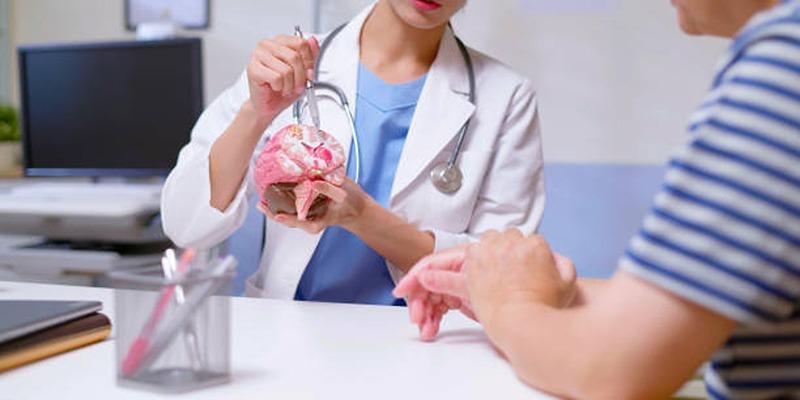
Brain injury is an impact on brain functioning that is unimpeded by external assault or even inner pathological occurrences. It may be very mild or even life-threatening. Some injuries heal throughout life and are cured by treatment, but some cause permanent effects on thinking behavior, and physical prowess.
It should be noted that brain injuries are very subjective. The healing of two individuals with similar diagnoses can be drastically different, and their outcomes can be different. This inconsistency explains why rehabilitation plans should be customized to pay attention to strengths and areas of assistance.
The Recovery Journey: An Overview
The post-brain injury recovery is a process that exists in stages, and all of them have to be approached differently and have different priorities.
- Quick Medical treatment: And with stabilization using a proper oxygen source, swelling management, and complications prevention, this is what comes first.
- The rehabilitation Phase: Patients are offered the opportunity to undergo systematic therapy to enhance physical, cognitive, and emotional functioning as soon as they are medically stable.
- Community Reintegration: Resuming daily activities, work, or school with the assistance of continuous therapy and lifestyle modifications is also known as long-term recovery.
The steps may be anecdotal the improvements will arrive fast and then again, some will develop gradually. Knowledge of this rhythm will enable people and families remain tolerant and optimistic.
Physical Rehabilitation: Rebuilding Strength and Mobility
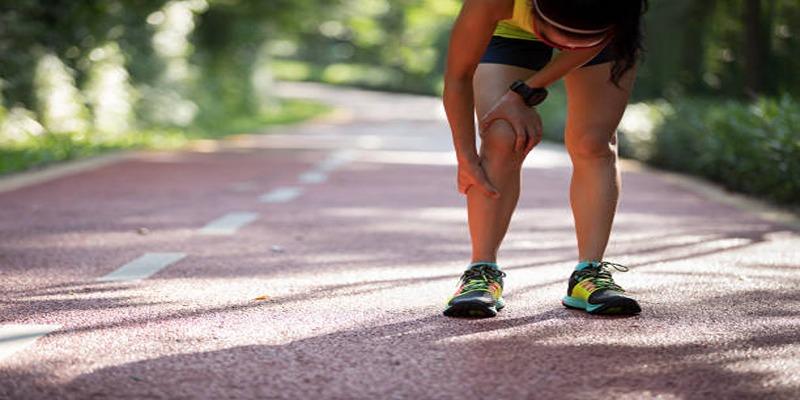
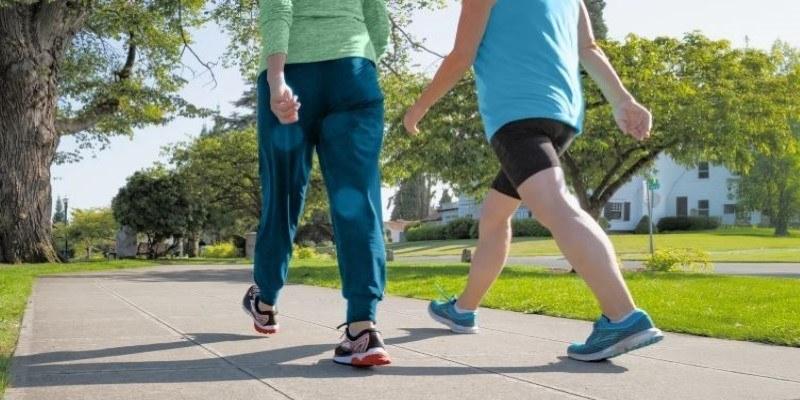
An effect on physical ability is one of the most noticeable results of a brain injury. People can have weakness, difficulties with coordination and in balance and movement. Physical therapy deals with these problems on the level of the thought-out exercises, the focus toward the muscle management, flexibility and endurance.
Assistive devices can also be suggested to therapists (walkers or braces). These means are not an indication of incapability and limitations but stepping slips into achieving more autonomy. With time, frequent mobility will decrease stiffness, avoid complications and restore the confidence in activities that we usually do.
Cognitive Rehabilitation: Restoring Thinking Skills
Brain injuries often affect memory, focus, and problem-solving. Cognitive rehabilitation seeks to rebuild these mental functions. Specialists guide patients through tasks designed to improve attention, recall, and reasoning.
Techniques may include:
- Using planners, notebooks, or digital reminders to support memory.
- Breaking tasks into smaller steps to reduce overwhelm.
- Engaging in mental exercises like puzzles and problem-solving challenges to strengthen flexibility and concentration.
Even when full recovery is not possible, compensatory strategies can help individuals function effectively in daily life.
Speech and Communication Therapy
Brain trauma disturbs communication to most people. Some of these people may have a problem with speech valence (some of them might not be able to use words) others may not be very good at hearing and reacting to that speech. Speech and language therapy provides solutions to these issues by the use of exercises that enable muscle strengthening, enhanced comprehension and confidence.
One can also implement an alternative form of communication like gesture systems, picture boards or online tools by the therapists. Communication is not simply a matter of words but it is the channel that helps people to be connected with their families, friends, and communities once again.
Emotional and Behavioral Adjustment
Emotional component of recovery is not considered much, but it is one of the most significant parts. People can experience frustration, mood swings or feel lost in the attempt to acclimatize themselves to the new realities. Creating a supportive environment takes time, patience, and support to heal humans emotionally.
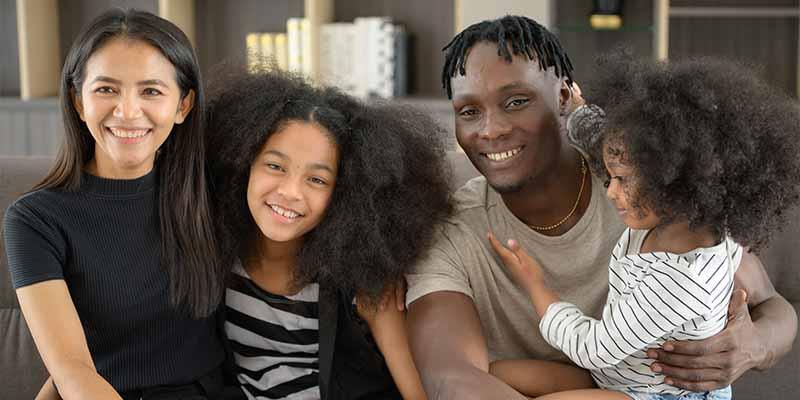
In managing such problems, psychologists and counselors are at the forefront in assisting them to pass through them. Therapy sessions create safe places to work out emotions whereas behavioral patterns allow one to deal with irritability, anxiety, or impulsiveness. In this case, families are crucial collaborators since empathy, support, and stability may be instrumental factors.
The Essential Role of Family and Caregivers
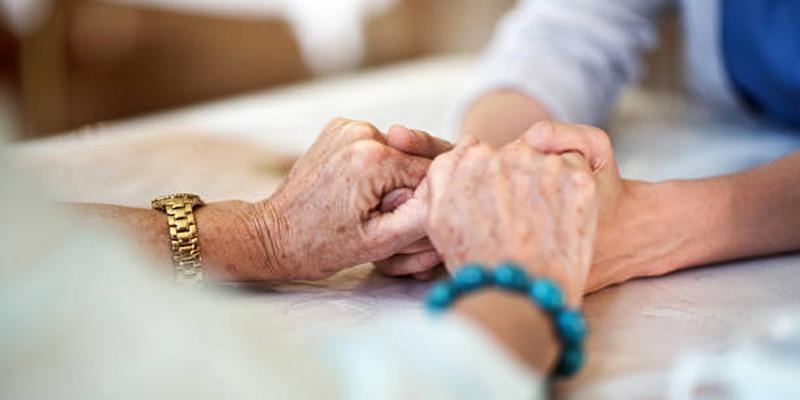
Caregivers and family members are behind any recovering journey. Their participation goes way beyond an actual help- they give them hope, confidence, and encouragement when the obstacles seem to acquire unrealistic dimensions.
Caregivers assist in everyday activities, organize activities on therapeutic sessions and promote the exploitation of recovery techniques in the home. Nevertheless, taking care of a person is emotionally and physically taxing. Families must need to take respite or support groups or professional help in order to focus on their personal wellbeing encouraging the survival of a loved one.
Reintegration into Daily Life
The recovery process is not over when one is in a rehabilitation center. Returning to living in the community is a significant milestone. This phase will likely entail changes in habits, seeking professional advice, or returning to school.
Vocational rehabilitation can help individuals explore career opportunities that align with their new skills, whereas educational modifications can assist students in continuing their education properly through appropriate accommodations. Social reintegration: engaging in community services, volunteering, or developing the re-established hobbies appeals to sense of purpose and belonging.
The Impact of Technology on Recovery
Rehabilitation is evolving due to technological advancements. Virtual reality platforms enable the patients to train materially in the safe environment, whereas analogous devices monitor progress and give the feedback.
Assistance technologies like voice to text applications, intelligent home systems, special mobility aids enlarge self-sufficiency and less daily adversity. With the incorporation of these tools into the therapy sessions, participants have both physical aid and restored confidence in how they cope in the world.
Common Challenges and Practical Solutions
Rehabilitation of a brain-damaged individual is most of the time challenging. Patience may be tried in fatigue, frustration and slow progress. It is important to acknowledge such challenges and concentrate on my coping strategies that are quite realistic.
- Rewarding Good or Little progress: Even the smallest progress imparts a sense of achievement which acts as motivation.
- Peer Support: Support and understanding are received by being able to bond with individuals who have had to struggle through the same challenges.
- Maintaining Perspective: It helps to remain frustrated by appreciating the fact that there usually is no immediate breakthrough.
Through being able to pursue problems early a person and family is able to continue the process of recovery they have survived in life.
Looking Ahead: Hope and Possibility
Although the brain cannot recover easily, every part of the brain is exposed to the chances of developing, adjusting, and discovering a new way. The increasing number of rehabilitation techniques, which, in combination with care and personal will, moves the boundary between what is possible and what is now achievable.
The act of completing any task whether it is to gain a walking ability, a communication or even to resume meaningful daily activities indicates the strength of the human spirit. Given time, consistency and the provision of the appropriate support structures, lots of people can re-culture their lives with a life full of purpose and connection.
Conclusion
Brain injury recovery is not merely a medical process but more like a spiritual healing process in the body, mind, and soul. It involves coordinating work among healthcare providers, therapists, caregivers, and patients. Physical therapy and cognitive rehabilitation for emotions and lifestyle changes are all steps towards improvement. The way may be long and arduous, but recovery may be enjoyed.