Short walking routines appear frequently in rehabilitation plans, chronic disease programs, and preventive health guidance. One structured routine gaining attention carries the name 6-6-6 walking challenge. The format includes six minutes of warm-up movement, a sixty-minute walk, and six minutes of cooldown activity, typically scheduled at 6 a.m. or 6 p.m. While the idea looks simple, structured walking plans often raise practical questions. Health professionals examine physical impact, adherence patterns, and potential strain when evaluating routines built around fixed time targets.
The Structure Behind the 6-6-6 Walking Challenge
The routine has three clear phases, and each one serves a purpose that shows up in real clinical settings. First comes six minutes of warm-up. This is not filler time. After a long stretch of sitting or waking up stiff, jumping straight into a fast pace can aggravate common trouble spots such as the Achilles tendon or the plantar fascia. In outpatient physical therapy, early laps often start at an almost casual speed while staff watches for limping, short strides, or uneven weight shift. Small adjustments early prevent bigger problems later.
Next is the sixty-minute walk, the part that creates the main training effect. Many walking prescriptions in primary care and rehab fall within the thirty to sixty minute range, so an hour sits at the top end of what is usually suggested. A steady pace raises heart rate enough to improve circulation without turning the session into high-intensity work. Over time, the repeated motion can reduce that “rusty joint” feeling by keeping hips and knees moving through a consistent pattern.
The last six minutes slow things down again. A gradual finish helps the body settle. Stopping abruptly can trigger lightheadedness in some people, especially after a brisk walk. Cardiac rehab programs routinely include a cooldown for this reason, letting breathing and blood pressure return toward baseline in a controlled way.
Why Walking Programs Appear in Many Healthcare Plans?
Walking sits at the center of many care plans since it works across conditions without requiring specialized equipment. After orthopedic injury or surgery, it offers controlled loading for the hips, knees, and ankles. Clinicians can adjust pace, surface, and duration while watching for swelling, gait changes, or pain that signals the plan needs to slow down. In outpatient rehab, hallway walks often become a daily checkpoint for progress, especially when stairs or longer distances still feel out of reach.
In diabetes care, walking is a practical tool for managing post-meal blood sugar. Muscle contractions help pull glucose from the bloodstream, which can soften evening spikes that often show up on home glucose logs. Educators often link walking to existing routines, such as a set walk after dinner, since consistent timing improves follow-through.
Cardiac rehabilitation uses walking for safe, measurable conditioning. Early sessions may be brief and closely monitored, with staff tracking heart rate response, breathing effort, and recovery time. Small increases across weeks help rebuild endurance without triggering symptoms.
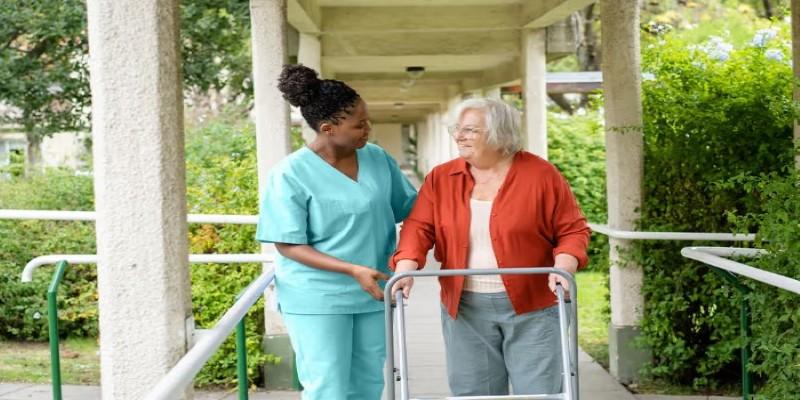
Geriatric teams rely on walking to protect balance and leg strength. Regular short routes, with rails or stable flooring, allow staff to catch subtle declines early. In behavioral health settings, scheduled walks add structure, support sleep timing, and reduce long sedentary blocks. The 6-6-6 routine mirrors these clinical patterns by pairing routine with manageable intensity.
What Real Health Outcomes Suggest?
Extended walking leads to changes that clinicians can track in day-to-day care. During a steady hour, heart rate often settles into a moderate aerobic range, enough to improve circulation and deliver more oxygen to working muscles. In weight-management clinics, walking blocks of forty to sixty minutes are common since energy use adds up over weeks. A moderate pace typically burns around 200 to 350 calories per hour, with body size, terrain, and speed shifting the total.
Dietitians often pair walking plans with food logs when slow weight gain becomes hard to reverse. Joints can respond in useful ways. Movement helps spread synovial fluid across the knee and hip, supporting cartilage that does not receive a direct blood supply. Early-stage osteoarthritis programs sometimes build daily walking into care plans to reduce stiffness and maintain stride length. Breathing can improve, too.
Pulmonary rehab teams often use corridor walks to build tolerance, watching oxygen levels and recovery time between laps. Limits show up quickly in some cases. Longer walks may trigger knee swelling in advanced arthritis, and poor footwear can cause arch strain or forefoot pain. Fatigue is common during the first weeks, so many rehab plans extend duration gradually instead of starting at a full hour.
Practical Limitations and Safety Considerations
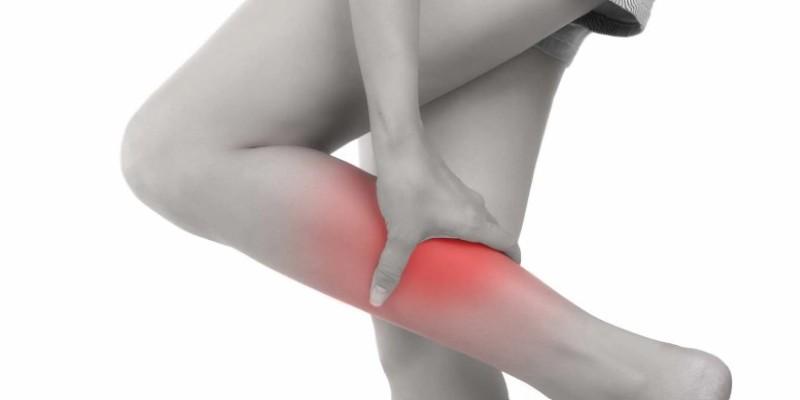
Strict targets can mask differences in joint history, conditioning, and recovery. An hour of walking fits some adults, but a fast jump from low activity often shows up as tendon or bone irritation before fitness improves. Orthopedic clinics see predictable complaints after sudden mileage. Shin pain may start as a dull ache along the tibia, then flare on stairs. Achilles soreness can appear the next morning, especially after hills.
Hip tendons may feel hot or tight near the outer pelvis once the stride length shortens with fatigue. These are routine follow-up visits. Weather adds another layer. Heat raises sweat loss and heart rate at the same pace, and medications such as diuretics can worsen fluid depletion. Emergency departments treat preventable heat illness from long walks without water access, shade, or a slower pace.
Shoes matter more than most plans admit. Midsole foam collapses, changing load through the arch and forefoot. Blisters, plantar fascia pain, and metatarsal soreness often trace back to worn cushioning or a narrow toe box. Timing can backfire. Morning stiffness limits gait quality. Evening routes bring low visibility and uneven pavement. Clinical plans stay flexible, with shorter sessions, rest days, and symptom-based progression.
Conclusion
The 6-6-6 walking challenge organizes daily movement into warm-up, sustained walking, and cooldown phases. The structure reflects common principles already used in rehabilitation and preventive health programs. Regular walking can support circulation, joint mobility, and metabolic balance when introduced gradually. Individual tolerance varies. Footwear, environmental safety, and existing medical conditions influence results. Structured walking routines work best when adapted to personal physical limits and ongoing health guidance.